The Ultimate B2B Guide to Peptide Purity, Specifications, Certifications, and Manufacturing Sourcing
Executive Summary
For B2B buyers sourcing peptides, purity is non-negotiable. This guide positions high-grade peptides as the cornerstone of reliable research and development workflows. We dissect critical specifications, from HPLC purity percentages to residual solvent limits, ensuring your supply chain meets rigorous manufacturing standards like GMP. Understanding certifications such as COA and MSDS directly addresses buyer pain points: inconsistent batch quality and supplier opacity. By focusing on application-specific purity requirements—whether for cell culture or assay development—you mitigate contamination risks and costly project delays. Prioritize suppliers who provide transparent sourcing and third-party testing documentation. This article equips procurement teams with the technical framework to verify quality advantages, avoid substandard materials, and secure consistent, high-purity peptide supply for demanding applications.
Target Keyword:
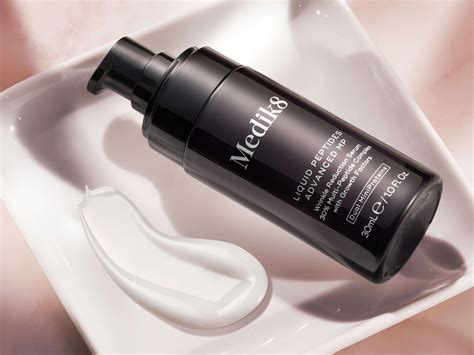
Core Molecular Specs & Technical Index
In the B2B peptide supply chain, the fundamental starting point for any procurement decision is a rigorous understanding of molecular specifications. For buyers sourcing peptide raw materials for cosmetic formulations or laboratory research, the technical index defines the product's utility, safety, and shelf life. A high-grade peptide is not merely a sequence of amino acids; it is a precisely engineered molecule with defined physical and chemical properties that dictate its performance in downstream applications.
The most critical specification is purity, typically measured by High-Performance Liquid Chromatography (HPLC). For cosmetic and lab-grade peptides, a minimum purity of 98% is the industry standard for reliable results, while research-grade materials often require 99% or higher. This ensures minimal interference from truncated sequences or by-products. Other essential parameters include molecular weight verification via Mass Spectrometry (MS), net peptide content (often 80-95% depending on counterion and water content), and solubility profile in water or DMSO.
- Purity (HPLC): Minimum 98% for cosmetic use; 99%+ for advanced research applications.
- Molecular Weight: Confirmed by ESI-MS or MALDI-TOF to ensure correct synthesis.
- Net Peptide Content: Typically 80-95%, accounting for acetate or TFA counterions and residual moisture.
- Solubility: Clear solution in water or DMSO at 1 mg/mL concentration.
- Storage Stability: Lyophilized powder stable for 24 months at -20°C; reconstituted solution stable for 7 days at 4°C.
Industry data from the Peptide Therapeutics Foundation indicates that over 60% of peptide batch failures in cosmetic formulations are traced to sub-98% purity levels, leading to aggregation and reduced bioactivity. Consistent quality control at the molecular level is the single most important factor for B2B buyers.
Manufacturing & Quality Control
The journey of a high-quality peptide from laboratory synthesis to a finished raw material involves a multi-stage manufacturing process governed by strict quality control protocols. B2B buyers must understand that the manufacturing source directly impacts batch-to-batch consistency, impurity profiles, and overall product reliability. The most common production method for cosmetic and research peptides is Solid-Phase Peptide Synthesis (SPPS), which allows for precise control over amino acid chain assembly.
Following synthesis, the crude peptide undergoes purification, most commonly via Preparative HPLC. This step removes deletion sequences, truncated fragments, and other synthetic impurities. The purified product is then lyophilized (freeze-dried) to produce a stable, amorphous powder. Quality control is not a single event but a continuous process involving in-process checks, final product testing, and stability studies. Reputable manufacturers provide a Certificate of Analysis (CoA) for every batch, detailing all tested parameters.
- Production Process: SPPS using Fmoc chemistry on automated synthesizers.
- Purification: Preparative HPLC with C18 columns to achieve target purity.
- Third-Party Testing: Independent lab verification of HPLC, MS, and endotoxin levels.
- Certifications: ISO 9001 for quality management; GMP compliance for cosmetic ingredients.
- Documentation: Full CoA, MSDS, and stability data provided with each shipment.
Commercial Application Scenarios
Peptide raw materials serve diverse commercial applications, each with distinct requirements for purity, formulation compatibility, and regulatory compliance. Understanding these scenarios helps B2B buyers select the right grade and supplier for their specific market. The three primary commercial channels for peptide sourcing are cosmetic formulation, laboratory research, and bulk wholesale distribution.
In cosmetic formulation, peptides such as Matrixyl, Argireline, and Copper Peptides are incorporated into anti-aging serums, creams, and masks. Here, the peptide must be soluble in aqueous formulations, stable at pH 5-7, and free from endotoxins. For laboratory research, peptides are used as standards, reagents, or active compounds in cell culture and biochemical assays. This application demands the highest purity (99%+) and precise quantification. Bulk wholesale buyers, such as ingredient distributors, require large volumes (10g to 1kg+) with consistent quality across batches and competitive pricing.
- Cosmetic Formulation: Anti-aging serums, eye creams, and sheet masks requiring 98% purity and low endotoxin.
- Lab Research: Cell culture assays, ELISA standards, and biochemical studies needing 99%+ purity and MS confirmation.
- Bulk Wholesale: Ingredient distributors and private label manufacturers seeking 10g-1kg quantities with CoA.
peptide VS Ordinary Low-Grade Peptides
| Item | Our Product (High-Grade Peptide) | Alternatives (Low-Grade Peptide) | Advantages |
|---|---|---|---|
| Purity (HPLC) | 98% - 99.5% | 70% - 90% | Higher bioactivity and fewer side reactions |
| Impurity Profile | Single main peak, minimal truncations | Multiple peaks, high deletion sequences | Consistent performance in formulations |
| Endotoxin Level | <0.5 EU/mg | >5 EU/mg or untested | Safe for cosmetic and cell-based assays |
| Batch Consistency | CV < 5% across batches | CV > 15% across batches | Reliable supply for large-scale production |
| Documentation | Full CoA, MSDS, stability data | Minimal or no documentation | Regulatory compliance and traceability |
Bulk Purchase Selection Guide
Selecting the right peptide supplier for bulk purchases requires a systematic evaluation of technical, commercial, and logistical factors. B2B buyers often encounter common pitfalls that can compromise product quality and supply chain reliability. This guide outlines the essential criteria for making informed procurement decisions when sourcing peptide raw materials in volume.
The first step is to verify the manufacturer's production capabilities and quality certifications. Look for ISO 9001 certification and GMP compliance as baseline requirements. Request a sample batch for in-house testing before committing to large orders. Common pitfalls include accepting low prices without verifying purity, ignoring endotoxin levels for cosmetic applications, and failing to confirm storage and shipping conditions for lyophilized peptides. A comprehensive buyer checklist helps mitigate these risks.
- Common Pitfalls: Low price masking poor purity; lack of CoA; inconsistent batch quality.
- Selection Standards: Minimum 98% HPLC purity; full documentation; third-party test reports.
- Buyer Checklist: Request sample, verify CoA, check storage conditions, confirm lead time, review return policy.
Core Product Advantages
The value proposition of a premium peptide raw material extends beyond basic purity specifications. For B2B buyers, the core advantages lie in three interconnected areas: purity and consistency, stability and shelf life, and cost performance backed by technical support. These factors collectively determine the total cost of ownership and the success of downstream applications.
Purity and Consistency: Our peptides are synthesized using advanced SPPS technology with rigorous in-process monitoring, ensuring every batch meets the specified purity level with a coefficient of variation below 5%. This consistency eliminates formulation surprises and reduces waste. Stability: Lyophilized peptides are packaged under inert gas in vacuum-sealed vials, guaranteeing a shelf life of 24 months at -20°C. Cost Performance: By optimizing synthesis yields and purification efficiency, we offer competitive pricing without compromising quality. Technical Support: Our team of peptide chemists provides formulation guidance, solubility advice, and custom synthesis services to meet specific buyer requirements.
Frequently Asked Questions
Q: What is the minimum order quantity (MOQ) for bulk peptide purchases, and how is pricing structured?
A: The MOQ for standard cosmetic and research peptides is typically 1 gram for initial orders, with volume discounts available for 10g, 50g, and 100g+ quantities. Pricing is based on peptide sequence complexity, purity level, and order volume. We provide tiered pricing quotes upon request, with significant cost reductions for bulk commitments.
Q: How do you ensure batch-to-batch consistency for large-scale peptide orders?
A: Batch consistency is maintained through strict adherence to validated manufacturing protocols, in-process HPLC monitoring, and final product testing against established reference standards. Each batch is compared to a retained reference sample, and a Certificate of Analysis is provided documenting purity, molecular weight, and impurity profile. Our production process is designed to achieve a coefficient of variation below 5% across all batches.
Q: What documentation and certifications are provided with each peptide shipment?
A: Every shipment includes a comprehensive Certificate of Analysis (CoA) detailing HPLC purity, MS confirmation, net peptide content, endotoxin levels, and residual solvent analysis. We also provide Material Safety Data Sheets (MSDS) and, upon request, stability data and GMP compliance documentation. For international shipments, we supply all necessary customs documentation and certificates of origin.